
Beginner Real Estate Investing
House Hacking for Beginners: Live in One Unit and Rent the Rest
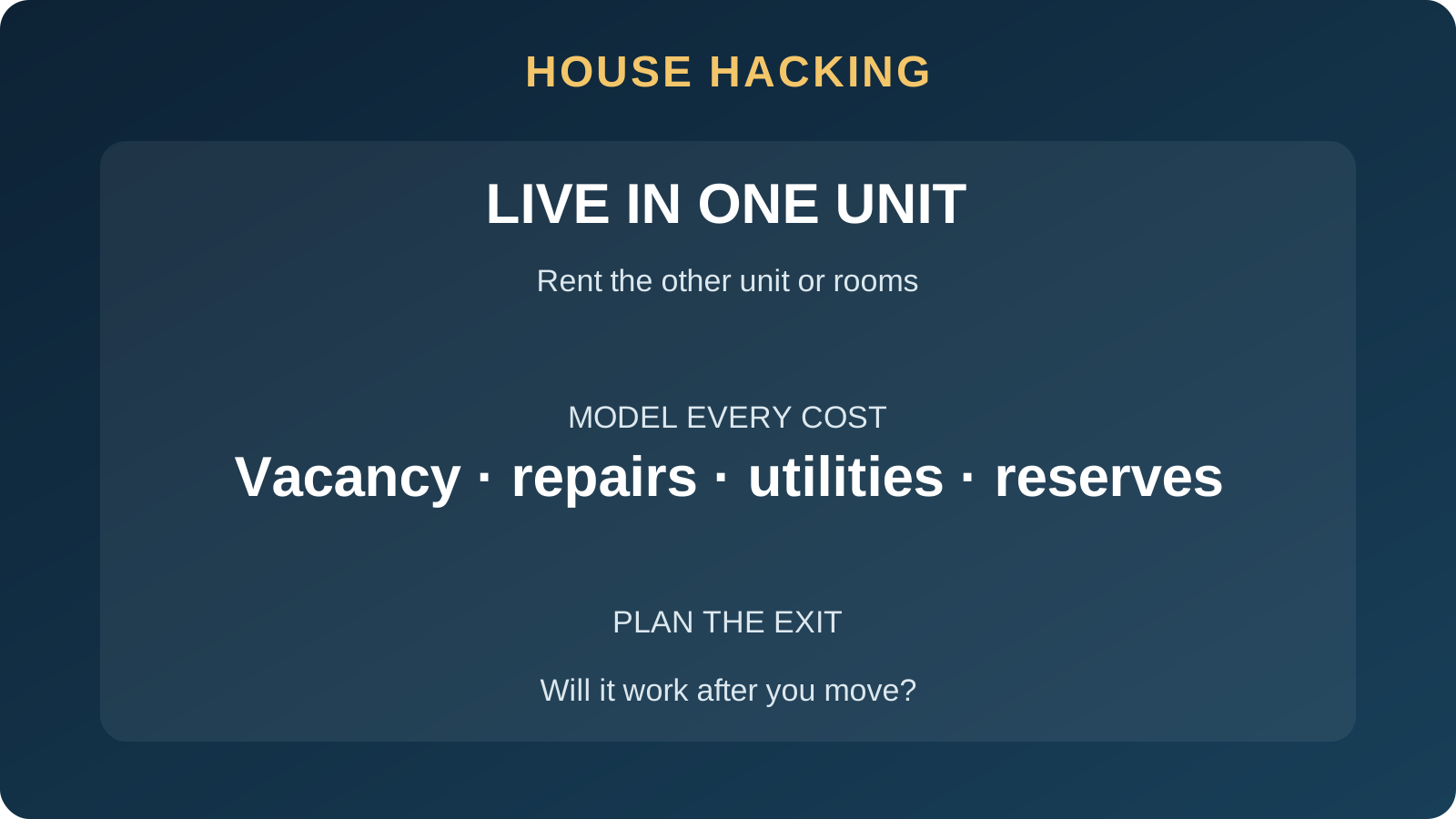
House hacking means living in a property while earning rent from part of it—often another unit, bedroom or accessory space. It can reduce housing cost and provide hands-on investing experience, but it also combines homeownership with landlord responsibilities.

Common house-hacking setups
Popular structures include buying a two-to-four-unit property and occupying one unit, renting extra bedrooms in a single-family home, or using a legal accessory dwelling unit. Zoning, occupancy rules, leases, safety codes and local rental laws must be checked before relying on any rent.
Why financing can be different
Owner-occupied financing may offer terms not available to a pure investment property. FHA programs may permit eligible one-to-four-unit owner-occupied properties with a low down payment, but occupancy, appraisal, property-condition and underwriting rules apply. Projected rent may help qualification in some cases, but lenders apply documentation and vacancy factors; buyers should not assume every dollar of advertised rent will count.
A simple monthly example
Suppose the full mortgage, taxes and insurance total $4,200 per month and the other unit rents for $2,200. Before repairs, utilities, vacancy and reserves, the owner’s gross housing offset is $2,200 and the remaining housing cost is $2,000. If ongoing allowances total $500 per month, the practical owner cost becomes about $2,500. The rent does not erase expenses.
Expenses beginners often miss
Budget for vacancy, repairs, capital replacements, water or heat paid by the owner, landscaping, snow removal, pest control, permits, insurance changes, bookkeeping and legal compliance. A roof or boiler is not a normal monthly bill, but it is still part of long-run ownership cost.
Landlord life is part of the investment
Living close to tenants can make maintenance faster but reduces privacy. Screening, fair-housing compliance, written leases, deposits, notices and emergency response must be professional. Personal boundaries should be clear from day one.
Exit strategy before purchase
Consider what happens after moving out. Will the former owner’s unit rent legally and at what market rate? Does the property still cash-flow with non-owner-occupied insurance, management and realistic vacancy? A house hack that only works while one room is rented may not remain a good investment later.
Bottom line
House hacking can lower the cost of ownership and teach real-world operations, but the safest deal works with conservative rent, complete expenses and a legal rental configuration—not best-case assumptions.
Frequently asked questions
Can I use FHA financing for a duplex?
Eligible owner-occupants may finance qualifying one-to-four-unit properties, subject to current FHA and lender rules.
Does all projected rent count toward qualification?
Not necessarily. Lenders use documentation and their own calculations, often including vacancy adjustments.
Is renting a room always legal?
No. Zoning, occupancy, building, lease and local rental rules must be checked.
This article is general educational information, not tax, legal, lending or investment advice. Rules and eligibility depend on facts and can change; consult qualified professionals.