
Rental Property Analysis
Cap Rate Calculator: How to Measure Rental Property Returns
Capitalization rate, or cap rate, is a quick way to compare a property’s annual net operating income with its value. The formula is simple; getting net operating income right is the hard part.

The cap rate formula
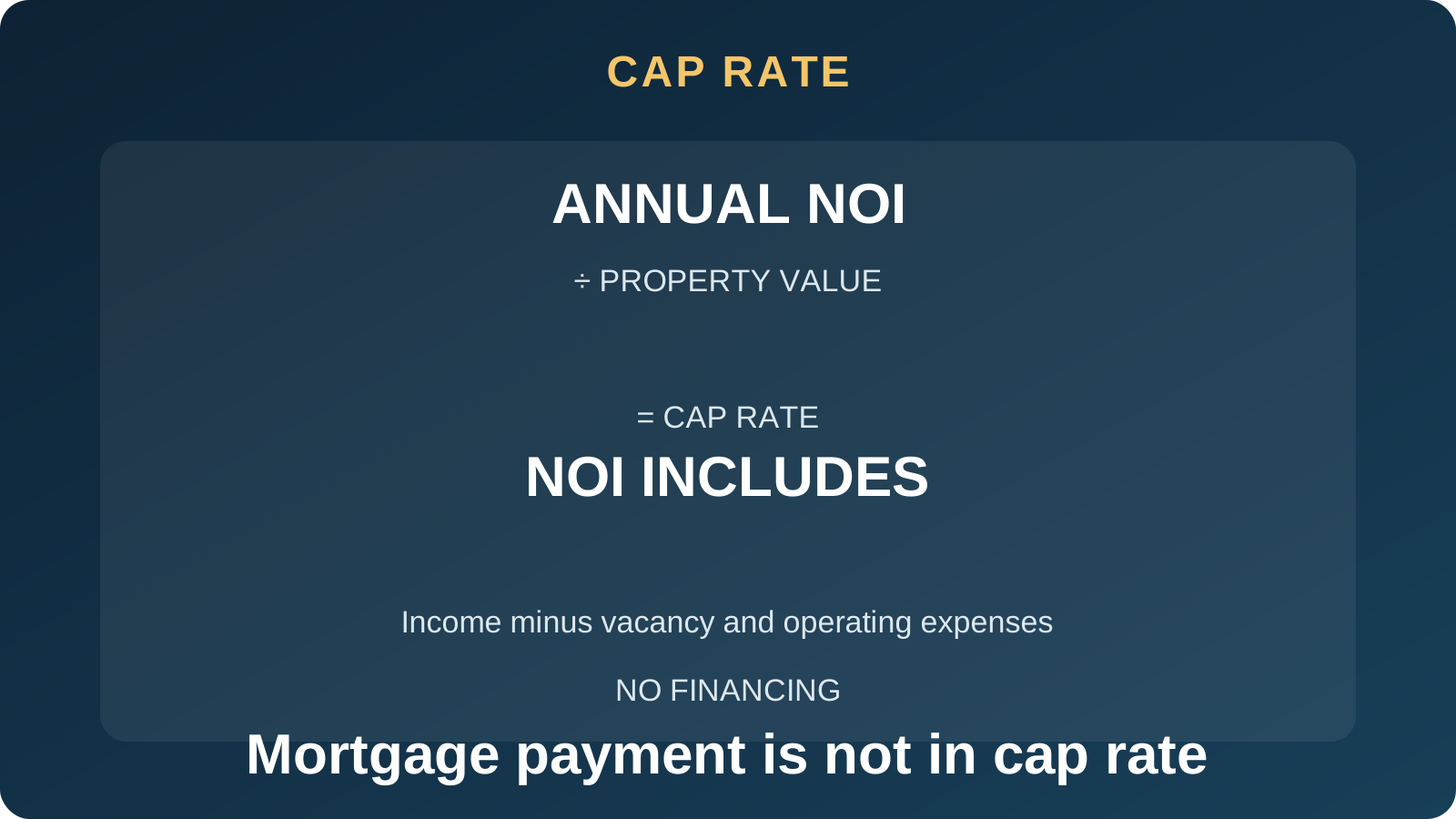
Cap rate = annual net operating income (NOI) ÷ property value. If a property produces $48,000 of NOI and costs $800,000, the cap rate is 6.0%. Use the same valuation basis when comparing properties—typically current purchase price for an acquisition analysis.
Build effective gross income
Start with potential rent, then add recurring property income such as parking or laundry. Subtract realistic vacancy and credit loss, not zero. A fully occupied building today can still experience turnover and nonpayment over a holding period.
Expenses that belong in NOI
Common operating expenses include property taxes, insurance, owner-paid utilities, repairs and maintenance, property management, landscaping, cleaning, pest control, licenses, legal/accounting and a recurring reserve assumption. Exact classification varies, but consistency matters.
What cap rate excludes
NOI is calculated before mortgage principal and interest, income taxes, depreciation and owner-specific financing. Capital expenditures are often analyzed separately from routine operations. That is why cap rate measures the property’s unlevered operating return—not the investor’s actual cash return after debt.
Cap rate versus cash-on-cash return
Cash-on-cash return compares annual pre-tax cash flow after debt service with the investor’s cash invested. Two buyers can have the same property cap rate but very different cash-on-cash returns because their down payments, interest rates and loan costs differ.
Why a higher cap rate is not automatically better
A higher cap rate may reflect stronger income, but it may also reflect greater vacancy, deferred maintenance, tenant concentration, neighborhood risk or limited resale demand. A lower cap rate may accompany more stable income or stronger appreciation expectations. Neither rate replaces due diligence.
A disciplined underwriting sequence
Verify leases and deposits, compare the rent roll with bank records, inspect bills and tax history, normalize one-time expenses, obtain insurance pricing, inspect major systems and model vacancy plus capital replacements. Then calculate cap rate, debt coverage and cash-on-cash return under the same conservative assumptions.
Bottom line
Cap rate is a useful filter, not a verdict. A credible result depends on verified income and complete expenses. If the seller’s “cap rate” omits management, vacancy or recurring repairs, recalculate it before comparing the property with alternatives.
Frequently asked questions
Does mortgage payment go into cap rate?
No. Cap rate uses NOI before financing so properties can be compared independently of each buyer’s loan.
Is a higher cap rate always better?
No. It can compensate for greater operating, location or resale risk.
Should I use current rent or market rent?
Use verified current performance for an in-place analysis and show market-rent upside separately with evidence.
This article is general educational information, not tax, legal, lending or investment advice. Rules and eligibility depend on facts and can change; consult qualified professionals.